
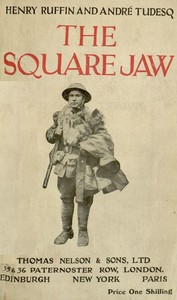
The Square Jaw by Henry Ruffin and André Jean Tudesq
I picked up The Square Jaw expecting a dry historical biography. What I got was a gripping, human story about two men whose lives mirror the 20th century's biggest ideological battles.
The Story
The book follows Henry Ruffin and André Jean Tudesq from their youth in the aftermath of World War I. They meet as bright, passionate students, united by a desire to rebuild France and prevent another war. Both are charismatic, both have that defining 'square jaw,' and both believe in the power of politics to change the world. We see them rise together, their paths intertwined through the 1920s and 30s. But as the political landscape in Europe fractures—with the rise of extremist movements on both the left and right—so does their partnership. A fundamental disagreement over how to confront the growing fascist threat drives a wedge between them. When war breaks out, they make tragically different choices: one joins the Resistance, the other collaborates with the Vichy regime. The book traces the devastating consequences of those choices, for their country and for their shattered bond, right into the post-war reckoning.
Why You Should Read It
What makes this book so powerful isn't just the history—it's the painful, personal focus. Ruffin and Tudesq aren't abstract historical figures here; they're fully drawn people. You understand their hopes, their fears, and the gradual, almost imperceptible steps that lead them apart. The authors do a brilliant job of showing how big, world-altering events feel on the ground: the tense conversations, the moral compromises, the moments of quiet doubt. It made me think hard about loyalty, conviction, and how easy it is to judge people's choices from the safety of the present. The 'square jaw' becomes a haunting motif. It's a trait of strength and determination, but the book asks: determination to do what? At what cost?
Final Verdict
Perfect for anyone who loves character-driven historical nonfiction. If you enjoyed books like Suite Française or the biographical depth of Robert Caro's work, you'll find a lot to love here. It's not a light read—it deals with heavy, consequential themes—but it's incredibly accessible. You don't need a PhD in French history to follow along. Ultimately, it’s a book for readers who want to understand history through the people who lived it, with all their contradictions and complexities intact. I finished it days ago, and I'm still turning their story over in my mind.

Joshua Clark
2 years agoPerfect.