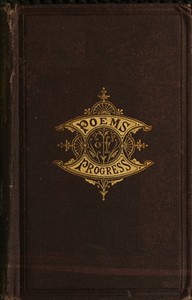
Poems of Progress by Lizzie Doten
Let's be clear: 'Poems of Progress' isn't a novel with a plot. It's a poetry collection with a backstory more intriguing than most fiction. Published in the 1860s, the book presents poems Lizzie Doten wrote while in a trance state. She believed she was communicating with the spirits of literary giants—Edgar Allan Poe, William Shakespeare, and others—who were dictating new works through her.
The Story
The 'story' is the journey of the book itself. Doten, a well-known figure in the spiritualist circles of her day, compiled these channeled poems. The collection includes pieces like 'The Physician's Story,' a dramatic monologue attributed to Poe's spirit, and other works that mimic the style and themes of the poets she claimed to contact. There's no traditional narrative arc. Instead, the book documents her spiritual experiences and presents the resulting verses as evidence of life after death and ongoing artistic creation from the 'other side.'
Why You Should Read It
You should read this not just for the poetry (which ranges from haunting to melodramatic in true 19th-century fashion), but for the incredible human context. It's a direct line into a powerful historical moment. The mid-1800s were wild with spiritualist fervor, and Doten was right in the thick of it. Reading her earnest explanations and then the poems themselves, you get a real sense of her conviction. Whether you believe in her claims or not, the book forces you to think about creativity, inspiration, and grief. How much of writing is 'channeling' something beyond ourselves, even if we don't call it a spirit? Her work sits in a strange, compelling space between fraud, faith, and genuine, unconscious artistic skill.
Final Verdict
This book is perfect for history lovers, especially those curious about the Victorian era, spiritualism, or women's roles outside the mainstream. It's also great for poetry readers who want something with a bizarre and fascinating provenance. If you enjoy books that make you question the source of art or love primary documents that feel oddly personal, you'll find 'Poems of Progress' totally absorbing. Just be ready to wonder, with every turn of the page, who really wrote these lines.